Our Mission
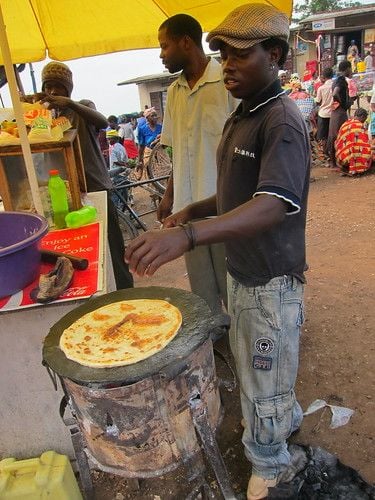
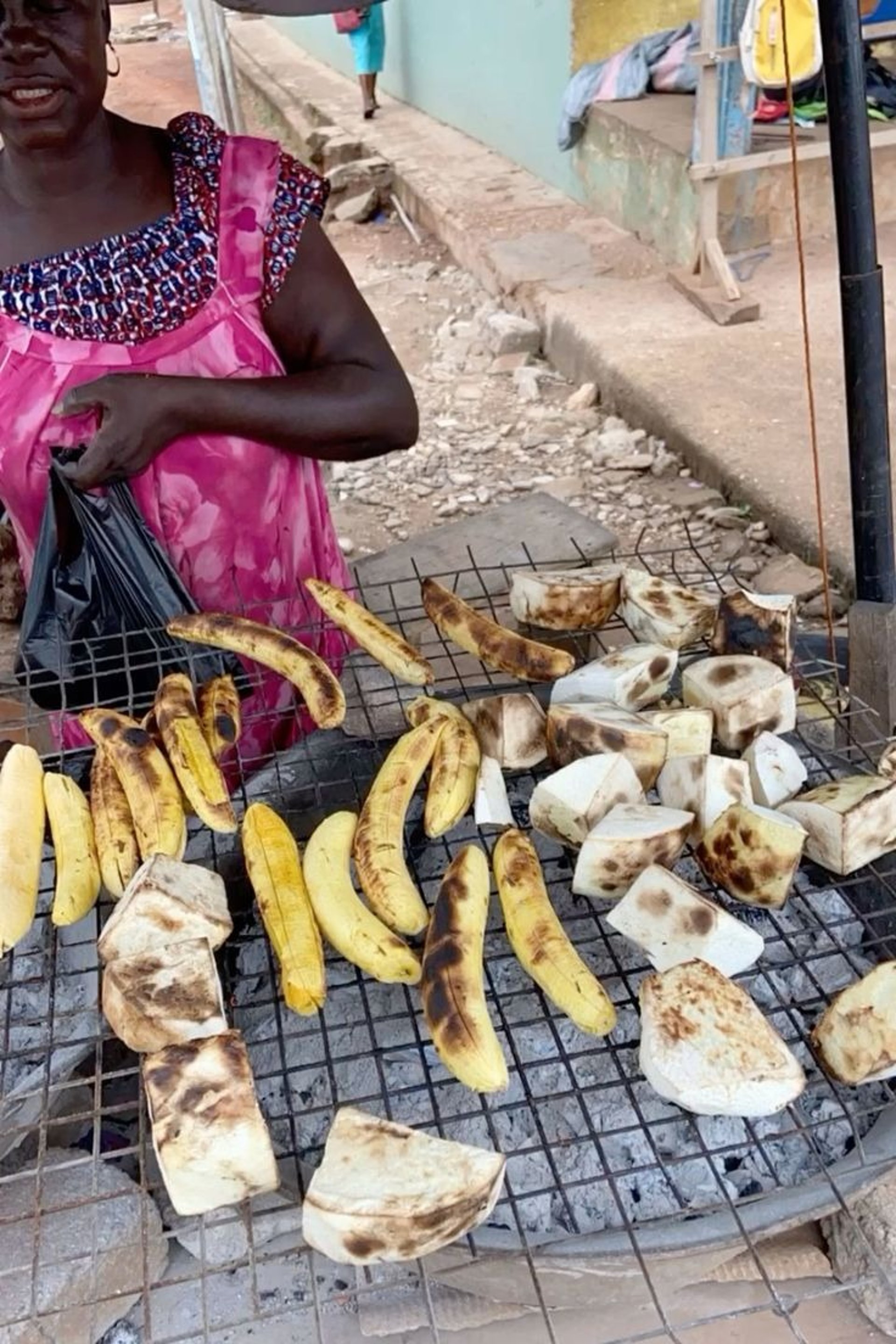
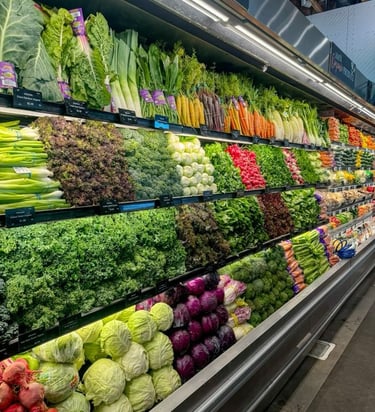
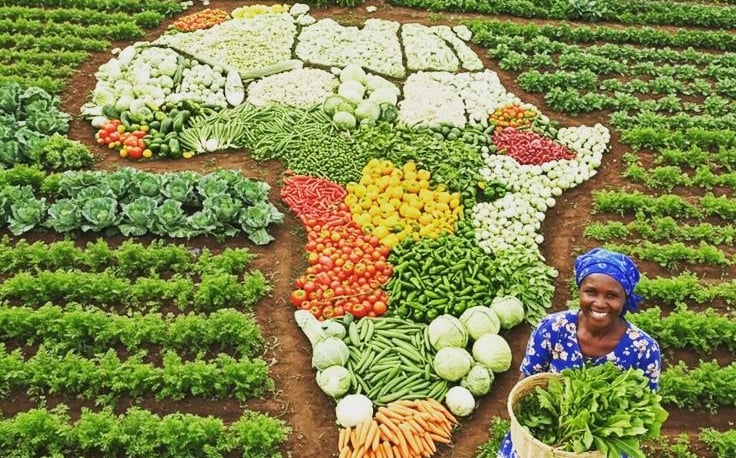
Working with theory and evidence-based, context-specific interventions to reshape urban food environments of LMICs in sub-Saharan Africa to enable the prioritization of healthy, diverse, nutrient-dense foods (NDFs).
We are led by our beliefs, purpose and anchor values
Our beliefs, purpose, and anchor values are deeply rooted in us as an organization and individually. They serve as our guiding compass in everything we do and how we do it. Together, they comprise the foundation, pillars and framework of our culture.
More About Our Mission
Our mission is to fulfil our purpose by working with theory and evidence-based, context-specific interventions to reshape food environments (FEs) of urban communities in low- and middle-income countries (LMICs) in sub-Saharan Africa to enable the prioritization of healthy, diverse, nutrient-dense foods (NDFs) in the FEs.
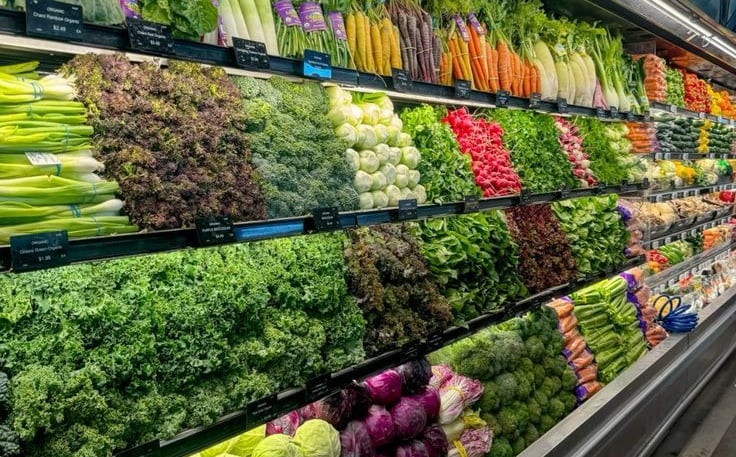
Giving NDFs a better and greater standing to make them the easy choice and, in turn, the default choice for people now and in the future. Choices that are convenient and require minimal mental and physical effort, willpower and agency. So, over time, the choices can become habits driven by automatic thinking and the biological reward system. (Mission in external domain).
Additionally, supporting people by providing requisite knowledge and skills, consistent encouragement, and facilitating convenience (assisted perceived behavioural control (PBC) personal factors) for the majority, towards realizing the following expected outcomes:
a) Stimulate people to move beyond awareness to gain requisite knowledge about specifics of nutrient-dense foods, food groups, and a healthy, diverse, nutrient-dense diet;
b) Enable people to learn how to combine their foods in ways that are synergistic rather than antagonistic to their bodies;
c) Assist their PBC personal factors and close their intention-behaviour gap; and
d) Most importantly, overall, help them to address the other three (3) pillars of diet-related non-communicable diseases (DR-NCD) risk factors, make lasting, healthy food choices, develop healthy eating behaviours, positively evolve their dietary patterns, and accelerate their transition to healthy, diverse, nutrient-dense diets. (Mission in personal domain).
"He who loves practice without theory is the sailor who boards ship without a rudder and compass and never knows where he may cast."
- Leonardo Da Vinci
Our Strategy
An increasing amount of evidence continue to show that it is crucial to prioritize healthy, diverse, nutrient-dense foods (NDFs) and make them the convenient (easy, fast, effortless) and default choice in food environments (FEs). Also crucial is addressing the other three (3) lifestyle pillars of risk factors for diet-related non-communicable diseases (DR-NCDs) - physical activity, sleep, and stress. Taking on these two (2) major challenges to reshape FEs and redress the imbalance that led to the dominance of unhealthy foods in them, as well as to tackle the global burden of malnutrition in all its forms and DR-NCDs.
Given a mission to reshape urban FEs in low- and middle-income countries (LMICs) in sub-Saharan Africa to enable the prioritization of NDFs and make them the easy and default choice in the FEs. We developed a strategy to answer the “How” of our mission.
The strategy is thematic, tagged “Eating for Lasting Health”. It embodies the five (5) fundamental beliefs of our organization. It is a cohesive and holistic strategy that involves delivering interconnected, theory- and evidence-based, context-specific interventions tailored to help reshape urban FEs of LMICs in sub-Saharan Africa. Thereby driving and catalyzing a shift in the FEs from unhealthy foods (UPFs, HFSS and unsafe foods) and DR-NCDs to NDFs and lasting health. Ultimately leading to the prioritization of NDFs in the FEs. One urban community at a time.


Our Strategy Execution Process
This is the process adopted to implement our strategy for delivering interconnected, theory- and evidence-based, context-specific interventions tailored to reshape urban FEs of LMICs in sub-Saharan Africa. Beginning in Abuja, Nigeria.
Twelve (12) parameters were identified to guide the strategy execution process. These parameters are that the process must be: evidence-based; context-specific (adaptable to the individual LMIC context and to those of states or provinces within the country); equitable; just; pragmatic; consistent with established standards; innovative; collaborative; supportive; measurable; impactful; and lasting.
Also, to ensure the strategy execution process not only aligns with specified parameters but, more specifically, addresses cross-cutting issues and barriers relating to the primary determinants of food choice and eating behaviours within and outside the urban FEs of LMICs. The process is further structured under four (4) identified focus areas. These measures were taken to meet the interventions’ separate parameters for effectiveness and help guarantee the delivery of optimal, impactful, and lasting outcomes.
The focus areas are:
1. Evidence-based Advocacy, Education, and Food Choice Behaviour Change Intervention
2. Multi-Media Content Production and Promotion
3. Training and Tailored Livelihoods Creation for Youth and Women
4. Healthy Foods Enterprise Creation
ehb Anchor Values
Our values
We are led by genuine beliefs and values
We are principled and transparent
Our values
Our anchor values comprise our brand and people values. While our people values will feature on our career page coming soon, below are our brand values.
We think limitlessly
We are people-centric
Our values
Our values
Our values
We solve fundamental problems
We communicate with candor and simplicity
Our values
We see the big picture
Our values
Join our just cause
We are reshaping food environments in LMIC local communities to enable them prioritize healthy, diverse, nutrient-dense foods (NDFs). The pilot of our work began in the Federal Capital City (FCC) of Abuja, Nigeria.